Aboki Calculator
Black Market Currency Converter β USD, GBP, EUR, CAD to Naira
Estimated Naira Value
USD/NGN History
How This Black Market Converter Works
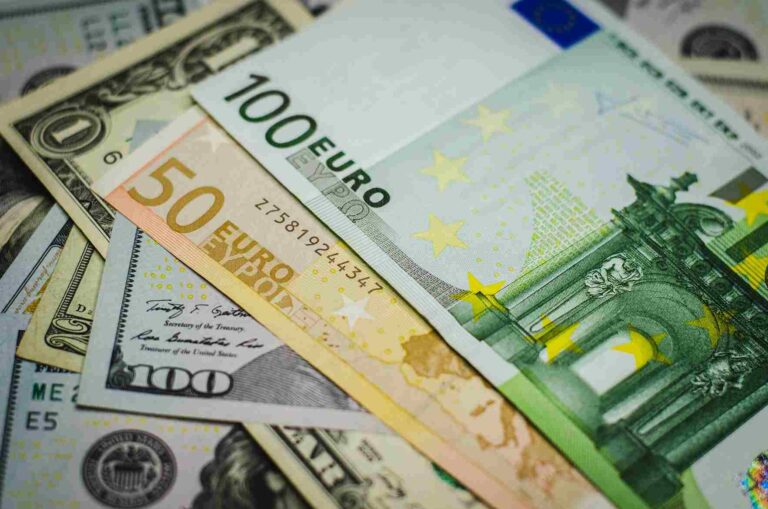
This converter supports four major foreign currencies commonly traded on Nigeria's parallel market: the US dollar, British pound, euro, and Canadian dollar. Select your currency from the dropdown, enter any amount, and the tool instantly calculates the naira equivalent using the current average parallel market rate.
Rates come from live data aggregated from multiple parallel market sources. The converter refreshes automatically every 60 seconds, so the figure you see is always the latest available. Below the conversion result, the buy rate and sell rate are displayed so you can see the range a bureau de change operator would quote.
The chart below the converter shows historical rate movement for whichever currency you have selected. Switch between 7-day, 30-day, and 90-day views to understand whether the rate has been rising, falling, or stable. This helps you decide whether to convert now or wait if you have that flexibility.
What the converter actually calculates: It multiplies your entered amount by the average parallel market rate. The average sits between the buy and sell rates. If you are selling foreign currency to a bureau, expect to receive slightly less than the converter shows. If you are buying foreign currency, expect to pay slightly more.
The Four Currencies on Nigeria's Black Market
Not all foreign currencies are equal on Nigeria's parallel market. Each of the four currencies available in this converter has distinct characteristics that affect its naira rate, availability, and the experience of converting it.
| Feature | USD | GBP | EUR | CAD |
|---|---|---|---|---|
| Global value vs USD | Baseline | Higher | Slightly lower to similar | Lower |
| Liquidity in Nigeria | Very high | High | Moderate | Low |
| Buy-sell spread | Tightest | Narrow | Moderate | Widest |
| Availability at any bureau | Almost always | Most major cities | Major cities | May need advance notice |
| Primary user group | Everyone | UK diaspora, students | EU diaspora, Schengen travellers | Canada-bound immigrants, students |
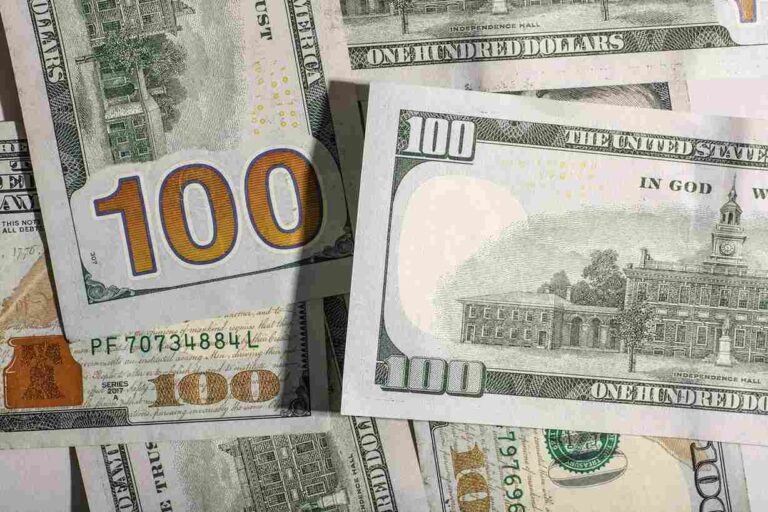
The US dollar is the benchmark currency on Nigeria's parallel market. Every bureau de change stocks it, spreads are the tightest, and it has the deepest liquidity. If you are unsure which currency to hold, USD offers the easiest conversion experience in Nigeria.
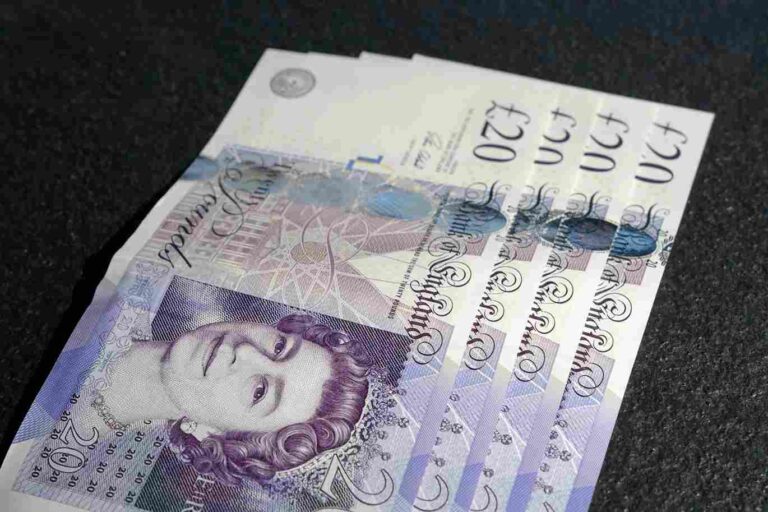
The British pound trades at a premium because one GBP is worth more than one USD globally. It is widely available in Lagos, Abuja, and Kano, and is the primary currency for Nigerians with ties to the UK.
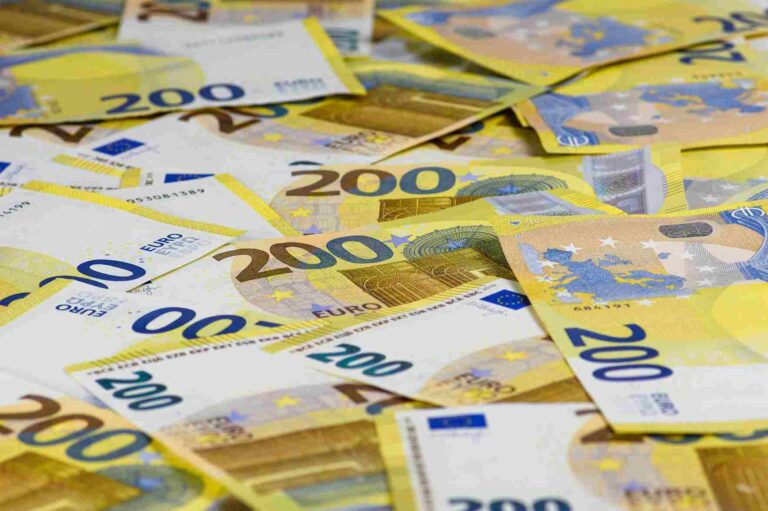
The euro sits between the dollar and pound in global value and has moderate liquidity in Nigeria. It is most relevant to Nigerians connected to Germany, France, Italy, Ireland, and other eurozone countries.
The Canadian dollar trades below the US dollar and has the lowest liquidity of the four. It is primarily driven by Nigeria-Canada immigration traffic. CAD can be harder to find, spreads can be wider, and large amounts may require advance notice with a bureau.
Understanding Buy Rate, Sell Rate, and Average
Every currency conversion involves two prices, not one. The buy rate is what a bureau de change pays you when you hand over foreign currency. The sell rate is what you pay when you want to receive foreign currency. The sell rate is always higher than the buy rate, and the difference between them is called the spread.
The spread is how the operator makes money. It covers their costs, compensates for the risk of holding foreign currency, and provides their profit margin. The size of the spread varies by currency and by operator.
Why the spread matters for your calculation: If the average rate is β¦1,500 per dollar and the spread is β¦10, the buy rate might be β¦1,495 and the sell rate β¦1,505. When you sell $1,000, you receive β¦1,495,000, not β¦1,500,000. When you buy $1,000, you pay β¦1,505,000, not β¦1,500,000. On $1,000, that β¦10 spread per dollar creates a β¦10,000 gap between buying and selling. This converter shows the average, so always adjust your expectations based on which direction you are converting.
Who Should Use a Multi-Currency Converter
This tool is built for anyone who deals with more than one foreign currency and needs quick, accurate parallel market conversions without switching between different pages or apps.
- Freelancers and remote workers who receive payments in different currencies from clients around the world and need to know what each payment is worth in naira.
- Families with members abroad in different countries β perhaps one sibling in London paid in GBP, another in Toronto paid in CAD, and a cousin in Berlin paid in EUR.
- Business owners who import from multiple countries and need to compare the naira cost of goods priced in different currencies.
- Travellers comparing destinations who want to know whether a trip costing β¬2,000 or one costing Β£1,800 requires more naira.
- Students choosing between universities in different countries who need to compare tuition and living costs in a common naira denominator.
- Anyone sending or receiving money who wants to verify that the rate offered by a remittance platform or bureau de change is fair relative to the current market.
Common Mistakes When Using a Currency Converter
Using the wrong currency. Both the US dollar and Canadian dollar use the $ symbol. The British pound uses Β£ and the euro uses β¬. When entering amounts or discussing rates with an operator, always confirm which specific currency you are referring to. A rate quoted for USD applied to CAD will give you a completely wrong figure.
Assuming the converter rate is exactly what you will receive. The converter shows the average market rate. Actual transactions happen at either the buy rate or sell rate, and individual operators may price slightly differently from the market average. Use the converter for planning, then confirm the exact rate with your operator before transacting.
Not switching the currency before converting. If you leave the dropdown on USD but enter an amount that is actually in pounds, the result will be significantly wrong. Always double-check that the selected currency matches the currency you are converting from.
Comparing rates across currencies at different times. If you check the USD rate at 9 AM and the GBP rate at 2 PM, the comparison is not fully valid because rates move throughout the day. If you need to compare currencies, check all of them in quick succession so the time difference is minimal.
Ignoring the spread when planning large transactions. On a $500 transaction, a β¦10 per dollar spread costs β¦5,000. On $10,000, the same spread costs β¦100,000. For large amounts, always calculate using the specific buy or sell rate, not the average.
What Affects Parallel Market Rates for All Currencies
While each currency has its own specific drivers, several factors affect the naira exchange rate for all foreign currencies on Nigeria's parallel market.
CBN policies are the most powerful domestic factor. When the Central Bank of Nigeria adjusts the official rate, changes FX allocation rules, or introduces new windows for specific purposes, it shifts activity between official and parallel markets for all currencies simultaneously.
Naira liquidity affects all rates in the same direction. When there is excess naira in circulation chasing limited foreign currency, all parallel market rates tend to rise together. When naira liquidity tightens, rates may ease across the board.
Global dollar strength sets the baseline. Since the US dollar is the world's reserve currency, when the dollar strengthens globally against all currencies, the USD to NGN rate tends to rise, and GBP, EUR, and CAD rates in naira terms often follow because they are all weakening against the dollar even if their cross-rates with each other remain stable.
Oil prices affect Nigeria's dollar earnings. Higher oil prices mean more dollars flowing into Nigeria, which can ease all parallel market rates. Lower oil prices have the opposite effect. This is particularly relevant for CAD since Canada is also an oil exporter, creating an interesting dynamic where oil price changes affect both currencies.
Seasonal patterns drive correlated demand. During December and January, remittances from all diaspora destinations increase, which can ease rates across all currencies simultaneously. During September, when students depart for universities in the UK, EU, and Canada, demand for all three currencies rises together.
How to Get the Best Rate Across Any Currency
Use this converter as a benchmark. Before approaching any bureau de change or remittance platform, check the rate here first. Knowing the market average gives you a reference point to evaluate whether the rate you are being offered is fair.
Compare at least two sources for your specific currency. While USD rates are fairly consistent across operators, GBP, EUR, and CAD rates can vary more because of lower liquidity and different inventory levels at each bureau. A five-minute phone call to a second operator can save you meaningful money.
Time your conversion when you have flexibility. Use the chart on this page to check whether the rate for your currency has been trending up or down. If you are not in a rush and the rate is rising, waiting a day or two might yield a better result. If the rate is falling, converting sooner may be wise.
Consider converting through USD for illiquid currencies. If you need to convert a large amount of CAD or EUR and are getting poor rates because of low local liquidity, it may sometimes be better to convert to USD first at a competitive rate, then convert the USD to NGN in Nigeria where liquidity is highest. Calculate both paths before deciding.
Never exchange at airports or hotels. This applies to all currencies. Airport and hotel bureaux rely on captive customers and consistently offer the worst rates in the market, sometimes β¦20 to β¦50 below the parallel market average per unit.
Verifying Remittance Platform Rates With This Converter
One of the most practical uses of this tool is checking whether a remittance platform is giving you a fair deal. The process is straightforward.
First, select the currency you are sending on the converter. Enter the exact amount. Note the naira figure the converter shows. Then go to your remittance platform, enter the same amount and same currency, and look at the final naira amount the recipient will receive after all fees.
If the platform's final naira amount is within 1 to 2 percent of the converter's figure, the rate is reasonably competitive. If the gap is larger than 3 percent, you are likely losing significant value to the platform's margin, either through a poor exchange rate, high fees, or both.
Watch out for two-step conversions. Some platforms convert your money through an intermediate currency before delivering naira. For example, sending EUR might be converted to USD first, then USD to NGN, with two exchange rate margins applied instead of one. This double conversion almost always results in a worse final naira amount. Ask your platform whether they convert directly or through an intermediary.
When to Use Each Currency Page vs This Converter
This converter is designed for quick calculations and comparisons across currencies. For detailed information about a specific currency β including in-depth explanations of what affects that currency's rate, country-specific tips, and detailed FAQs β visit the dedicated page for that currency.
- USD to NGN page β Comprehensive guide to the dollar, which is the most traded currency on Nigeria's parallel market. Covers CBN dynamics, global dollar strength, and general parallel market mechanics.
- GBP to NGN page β Detailed coverage of the UK-Nigeria corridor, including UK academic calendar effects, Bank of England decisions, and tips specific to pound conversions.
- EUR to NGN page β Focus on the eurozone-Nigeria relationship, ECB policy impacts, Schengen travel demand, and guidance for Nigerians in EU countries.
- CAD to NGN page β Covers the Nigeria-Canada immigration pipeline, CAD liquidity challenges, Bank of Canada decisions, and advice specific to Canadian dollar conversions.
Use this converter when you need a quick answer. Use the dedicated pages when you need to understand the market before making a significant financial decision.
Frequently Asked Questions
How does this black market currency converter work?
Select your currency from the dropdown, type any amount, and the tool multiplies it by the current parallel market average rate to show your naira equivalent instantly. Rates update every 60 seconds from live data sources.
Which currencies can I convert to naira on this page?
You can convert US dollars (USD), British pounds (GBP), euros (EUR), and Canadian dollars (CAD) to Nigerian naira, all using live parallel market rates. Switch between currencies using the dropdown selector.
What is the difference between the buy rate and sell rate?
The buy rate is what a bureau de change pays you when you sell foreign currency to them. The sell rate is what you pay when buying foreign currency from them. The sell rate is always higher. The converter uses the average rate, which sits between the two, for estimation purposes.
How accurate is this converter?
The converter uses average parallel market rates aggregated from multiple sources and updated every 60 seconds. However, actual amounts received in a transaction may differ slightly because individual operators set their own buy and sell rates, which may not exactly match the market average.
Why does the converter show a different rate from my bank?
Banks use rates tied to the CBN official window, which is different from the parallel market rate. This converter shows parallel market rates, which are what most people encounter for cash transactions, personal remittances, and informal transfers.
How often do the rates on this converter update?
Rates refresh automatically every 60 seconds. Each refresh pulls the latest data from the API, so you always see the most recent available parallel market rates for all four currencies.
Can I use this converter for budgeting a trip abroad?
Yes. Select the currency of your destination, enter your planned spending amount, and the converter will show the naira equivalent. Budget using a rate slightly above the converter's average to account for the buy-sell spread and any fees your bureau may charge.
Is the parallel market rate the same for all currencies?
No. Each currency has its own rate determined by its own supply and demand dynamics. The USD rate is not directly applicable to GBP, EUR, or CAD conversions. Always use the specific rate for the currency you are converting, which is why this converter lets you switch between them.
Should I convert before travelling or at the airport?
Always convert before travelling. Airport and hotel bureaux offer significantly worse rates because they serve customers who have no alternative. Exchange in a city area where multiple operators compete, and use this converter to know what a fair rate looks like before you go.
Is this converter free to use?
Yes. This converter is completely free with no sign-up, no limits on usage, and no hidden charges. Use it as often as you need to check rates, compare currencies, or plan conversions.